Frames
How to Measure Your Face to Find Your Sunglasses Size
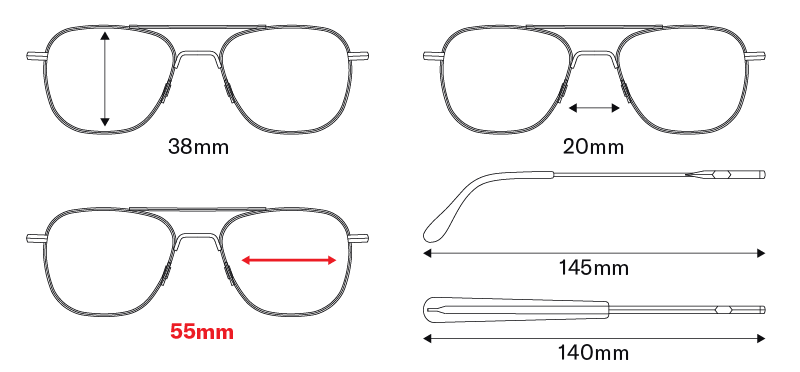
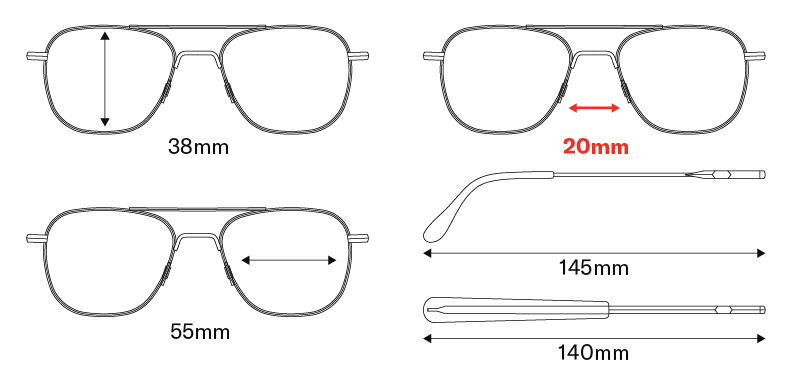
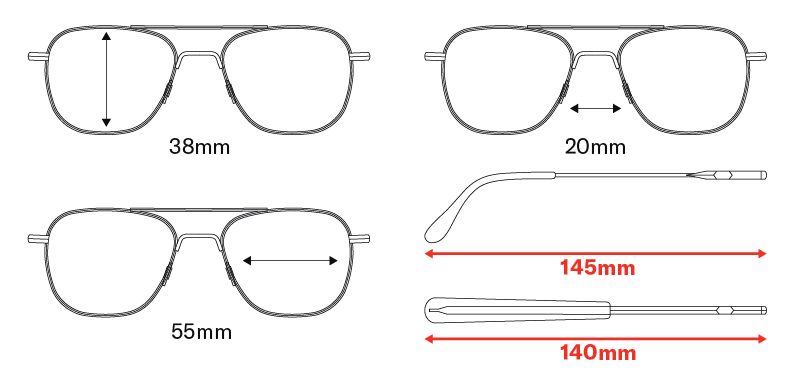
Why Frame Size Starts With Face Width
Sunglass fit is driven by the width of the face, not by a single frame number. A frame that is too narrow pinches and looks undersized, while one that is too wide slips and lets light enter from the sides. Matching total frame width to face width is the fastest way to a comfortable, balanced fit.
Because face widths vary across any market, measuring is more reliable than guessing. Understanding face width also helps brands and distributors plan collections that cover narrow, medium and wide customers instead of a single silhouette. A measured approach turns sizing into a repeatable, shareable process. It also gives customer-facing teams a clear way to answer fit questions.
How to Measure Your Face
Use a soft measuring tape and a mirror. Hold the tape straight across the face at eye level and measure the distance from one temple to the other, roughly temple to temple. Keep the tape level and firm but not tight, and record the width in millimeters for the most useful result.
If a tape measure is not available, read the measurements from a current frame that fits well. The three printed numbers on the inside of the temple, such as 54-18-145, give lens width, bridge width and temple length. Copying dimensions from a comfortable pair is a practical shortcut to a reliable size.
The Three Frame Measurements
Sunglass frames are described by three numbers in millimeters: lens width, bridge width and temple length. Lens width, the horizontal width of one lens, typically ranges from 50 to 62 mm. Bridge width, the distance between the lenses across the nose, usually falls between 14 and 24 mm. Each value affects a different part of the fit.
Temple length runs from the hinge to the ear tip and typically ranges from 135 to 150 mm. Together these dimensions define total frame width, which equals lens width times two plus bridge width. Matching that total to the wearer's measured face width keeps the frame proportionate and comfortable. This formula is the key to turning measurements into a usable size.
Matching Face Width to Frame Size
As a general guide, narrow faces suit small frames with a lens width of about 50 to 54 mm. Medium faces fit best in mid-size frames from 54 to 58 mm, while wide faces need larger frames from 58 to 62 mm. These ranges are starting points, since bridge design and temple length also affect fit.
Encourage customers to treat the numbers as a reference rather than an exact rule. A frame can look balanced even when its lens width sits one or two millimeters outside the range, as long as the total front width matches the face. Fit testing at the sample stage helps confirm how each size performs on real faces.
Frame Shape and Face Shape
Lens and frame shape change how a size reads on the face. Round faces benefit from square or rectangular frames that add angular structure, while square faces soften with round or oval silhouettes. Heart-shaped faces suit cat-eye and round shapes that balance a narrower chin. Shape and size work together, so consider both before finalizing a design.
Oval faces are the most versatile and can wear most shapes, which makes them a useful reference when building a collection. Pairing the right shape with the right size produces a fit that is both comfortable and flattering. Offering several silhouettes within each size band lets customers find the combination that suits them.
Sizing Across a Whole Collection
For wholesalers and brands, a strong range covers multiple lens-width segments so one collection serves narrow, medium and wide faces. A lineup built only around a single size will miss a meaningful share of the market, no matter how strong the design is. Planning size coverage early makes sampling and reorders more consistent.
SunDefeat manufactures sunglass frames with customizable lens widths across the 50 to 62 mm range, so each style can be produced in the sizes a target market needs. Working with a manufacturer that supports this span lets you build a balanced size offering and specify exact dimensions for every model in the program.
Need Help With Sourcing?
Talk to our team about lenses, frames or custom manufacturing — we reply within 24 hours.
Request a Quote